How did the bubonic plague spread along the Silk Road

David Perry
Updated on April 22, 2026
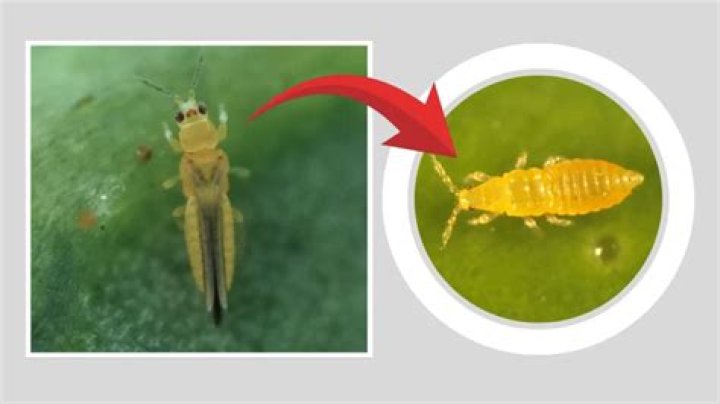
The Plague was spread to humans mainly by fleas that were transported by infected rats. Rat populations tend to follow humans because of the garbage they dispose and this is why the Black Death was found in heavily populated areas, particularly along the Silk Road.
How was the bubonic plague actually spread?
Bubonic plague is transmitted through the bite of an infected flea or exposure to infected material through a break in the skin. Symptoms include swollen, tender lymph glands called buboes.
Did the bubonic plague follow trade routes?
The diffusion of crops and pathogens, including epidemic diseases like the bubonic plague, often occured along trade routes. … Most historians think that the plague killed somewhere between 30% and 60% of Europe’s population between 1347 and 1351.
What was the cause of the bubonic plague and how did it spread?
The Black Death is believed to have been the result of plague, an infectious fever caused by the bacterium Yersinia pestis. The disease was likely transmitted from rodents to humans by the bite of infected fleas.Is bubonic plague airborne?
Yersinia pestisis a gram negative, bacillus shaped bacteria that prefers to reside in an environment lacking oxygen (anaerobic). It is typically an organism that uses the process of fermentation to break down complex organic molecules to metabolize.
Why Bubonic plague is called Black Death?
Immediately on its arrival in 1347 in the port of Messina in Sicily the Great Pestilence (or Black Death as it was named in 1823 because of the black blotches caused by subcutaneous haemorrhages that appeared on the skin of victims) was recognised as a directly infectious disease.
Was the bubonic plague a virus?
Plague is an infectious disease caused by Yersinia pestis bacteria, usually found in small mammals and their fleas. The disease is transmitted between animals via their fleas and, as it is a zoonotic bacterium, it can also transmit from animals to humans.
Why did the spread of the plague follow this route?
Ask: How did shipping routes aid in transmitting the plague? [Answer: Infected rats and fleas made way onto ships in contaminated food and supplies. The plague was also transmitted through rat, work animal, and human waste. Ships could efficiently get to other continents as they sailed the seas.]What caused the Great plague?
The plague was caused by the Yersinia pestis bacterium, which is usually transmitted through the bite of a human flea or louse. The 1665–66 epidemic was on a much smaller scale than the earlier Black Death pandemic.
What were the diseases that spread through the Silk Road?The Silk Road has often been blamed for the spread of infectious diseases such as bubonic plague, leprosy and anthrax by travellers between East Asia, the Middle East and Europe (Monot et al., 2009, Schmid et al., 2015, Simonson et al., 2009).
Article first time published onWhat was traded on the Silk Road?
The silk road was a network of paths connecting civilizations in the East and West that was well traveled for approximately 1,400 years. … They traded goods such as silk, spices, tea, ivory, cotton, wool, precious metals, and ideas. Use these resources to explore this ancient trade route with your students.
Is the bubonic plague still around?
Bubonic plague may seem like a part of the past, but it still exists today in the world and in rural areas of the U.S. The best way to prevent getting plague is to avoid the fleas that live on rodents such as rats, mice and squirrels.
Was bubonic plague spread by fleas?
Bubonic plague is mainly spread by infected fleas from small animals. It may also result from exposure to the body fluids from a dead plague-infected animal.
How was bubonic plague stopped?
The most popular theory of how the plague ended is through the implementation of quarantines. The uninfected would typically remain in their homes and only leave when it was necessary, while those who could afford to do so would leave the more densely populated areas and live in greater isolation.
What was the timeframe of the bubonic plague?
One of the worst plagues in history arrived at Europe’s shores in 1347. Five years later, some 25 to 50 million people were dead. One of the worst plagues in history arrived at Europe’s shores in 1347. Five years later, some 25 to 50 million people were dead.
How long did the bubonic plague last?
The Black Death, which hit Europe in 1347, claimed an astonishing 20 million lives in just four years. As for how to stop the disease, people still had no scientific understanding of contagion, says Mockaitis, but they knew that it had something to do with proximity.
What did they think caused the plague in 1665?
The plague was caused by disease-carrying fleas carried on the bodies of rats. A pair of rats in the perfect environment could breed many off-spring. The filth found in the streets of London provided the perfect environment for rats.
Which two plagues formed the Black Death?
There are two main forms of plague infection, depending on the route of infection: bubonic and pneumonic. Bubonic plague is the most common form of plague and is caused by the bite of an infected flea. Plague bacillus, Y.
Did the Fire of London stop the plague?
In 1666 the Great Fire of London destroyed much of the centre of London, but also helped to kill off some of the black rats and fleas that carried the plague bacillus. Bubonic Plague was known as the Black Death and had been known in England for centuries. It was a ghastly disease.
How were goods carried along the Silk Road?
How did most goods get from China to Europe along the Silk Road? – Caravans transported the goods along the entire length of the route. – Goods were traded from one middleman to another all along the way. – Ships transported goods from port to port along the length of the route.
Who controlled the Silk Road?
The Silk Road was established by China’s Han Dynasty (206 BCE-220 CE) through territorial expansion. The Silk Road was a series of trade and cultural transmission routes that were central to cultural interaction between the West and East.
Why do you think there were many routes along the Silk Road?
The Silk Road was a vast trade network connecting Eurasia and North Africa via land and sea routes. … Advances in technology and increased political stability caused an increase in trade. The opening of more trade routes caused travelers to exchange many things: animals, spices, ideas, and diseases.
Did Brown rats stop bubonic plague?
The original carrier for the plague-infected fleas thought to be responsible for the Black Death was the black rat, and it has been hypothesized that the displacement of black rats by brown rats led to the decline of bubonic plague.
How did rats and fleas cause the Black Death?
The rodents have long been blamed for spreading the plague, which is caused by the bacterium Yersinia pestis. Researchers thought the bacterium would infect fleas on rats, and when the rats died, the fleas would jump to humans, infecting them.
Which animal spread the plague?
Plague is a serious bacterial infection that’s transmitted primarily by fleas. The organism that causes plague, Yersinia pestis, lives in small rodents found most commonly in rural and semirural areas of Africa, Asia and the United States.
When did Covid 19 start?
It was initially reported to the World Health Organization (WHO) on December 31, 2019. On January 30, 2020, the WHO declared the COVID-19 outbreak a global health emergency. On March 11, 2020, the WHO declared COVID-19 a global pandemic, its first such designation since declaring H1N1 influenza a pandemic in 2009.
How did the bubonic plague end feudalism?
The Black Death brought about a decline in feudalism. The significant drop in population because of massive numbers of deaths caused a labor shortage that helped end serfdom. Towns and cities grew. The decline of the guild system and an expansion in manufacturing changed Europe’s economy and society.
What is the Black Death called today?
Today, scientists understand that the Black Death, now known as the plague, is spread by a bacillus called Yersinia pestis. (The French biologist Alexandre Yersin discovered this germ at the end of the 19th century.)