What is inheritance and variation of traits

John Thompson
Updated on April 30, 2026
Heredity refers to specific mechanisms by which characteristics or traits are passed from one generation to the next via genes. … Environmental as well as genetic variation and the relative dominance of each of the genes in a pair play an important role in how traits develop within an individual.
What is inheritance and variation?
Inheritance is the process by which characters are passed on from parent to progeny; it is the basis of heredity. Variation is the degree by which progeny differ from their parents.
What does variation of traits mean?
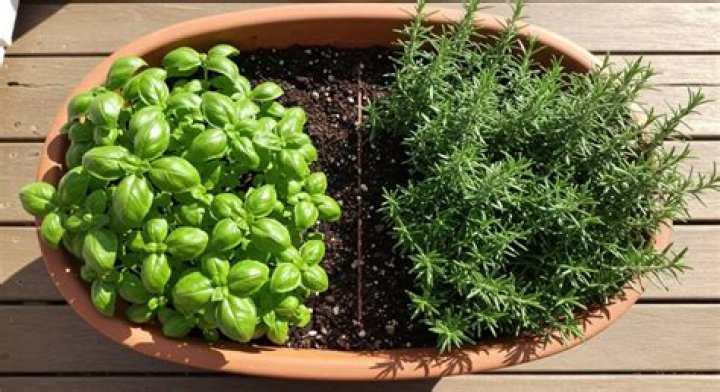
Individuals of a species have similar characteristics but they are rarely identical, the difference between them is called variation.
What is inheritance of traits?
Inherited An inherited trait is one that is genetically determined. Inherited traits are passed from parent to offspring according to the rules of Mendelian genetics. Most traits are not strictly determined by genes, but rather are influenced by both genes and environment.What is an example of trait variation?
For example, if both parents exhibit the trait of red hair, their offspring have a greater chance of acquiring the genes that code for red hair. Certain traits are characteristically dominant or recessive, depending on the makeup of their alleles.
What is Variation and types of Variation?
Variations are the differences in the genetic makeup or phenotype of various organisms. Variations arise due to mutation, recombination at the time of gamete formation or due to environmental factors. Variations can be categorised into two types: … These are caused due to mutation, recombination, etc.
What are variations?
Variation is the difference in characteristics among the individuals of the same species or among different genera or different species.
Why is variation of inherited traits important?
Genetic variation is an important force in evolution as it allows natural selection to increase or decrease frequency of alleles already in the population.What is inherited trait give its example?
An inherited trait is a trait that is received by an organism from its parents. These traits are controlled by the genes of individuals and hence, transferred from one generation to another. Examples of inherited traits include hair color, eye color, height, skin color, and susceptibility to certain diseases, etc.
What is the difference between a trait and a variation?Offspring acquire a mix of traits from their biological parents. Different organisms vary in how they look and function because they have different inherited information. In each kind of organism there is variation in the traits themselves, and different kinds of organisms may have different versions of the trait.
Article first time published onWhy is it important to study inheritance and variation of traits?
Heredity is important to all living organisms as it determines which traits are passed from parent to child. Successful traits are more frequently passed along and over time can change a species. Changes in traits can allow organisms to adapt to specific environments for better rates of survival.
What causes variation in traits?
Genetic variation can be caused by mutation (which can create entirely new alleles in a population), random mating, random fertilization, and recombination between homologous chromosomes during meiosis (which reshuffles alleles within an organism’s offspring).
What are the 3 types of variation?
- Genetic variation – the variation in genotypes (i.e. the genes) between species or within a species.
- Phenotypic variation – the variation in phenotypes other features apart from the genes) between species or within a species e.g. variation in height, mass, shape, colour, blood type.
What is variation class 10?
Variation is always the difference between an ideal and an actual situation. … Between the individuals of the same species, there can be seen differences between the characteristics which is known as the Variation. During the reproduction, there are some variations that passed on from parents to offspring, via genes.
What are the 4 types of variation?
Examples of types of variation include direct, inverse, joint, and combined variation.
What are variations in maths?
Variation is defined by any change in some quantity due to change in another. We often come across with different types of variation problems in mathematics. Variation problems involve fairly simple relationships or formulas, involving one variable being equal to one term.
What are the 5 types of variations?
- Direct Variation, where one variable is a constant multiple of another. …
- Inverse or Indirect Variation, where when one of the variables increases, the other one decreases (their product is constant). …
- Joint Variation, where at least two variables are related directly.
What are inherited traits class 10?
The traits which are transmitted by the parent to its offspring during the process of fertilization are inherited traits. This inheritance is determined by certain rules of heredity. Inherited traits are coded in our DNA and hence can be passed on to the next generation.
What are genetic traits in humans?
DominantRecessiveWidow’s peakstraight hair lineocular hypertelorismHypotelorismNormal digestive musclePOLIP syndromeFacial dimples *No facial dimples
What is the difference between inheritance and genetics?
The main difference between these two terms lies in the fact that hereditary diseases have the potential of being carried from one generation to another whereas a genetic disease can either be hereditary or not, but there will always be a mutational change in the genome.
What is variation in science?
variation, in biology, any difference between cells, individual organisms, or groups of organisms of any species caused either by genetic differences (genotypic variation) or by the effect of environmental factors on the expression of the genetic potentials (phenotypic variation).
How did Mendel explain the inheritance of traits?
Gregor Mendel, through his work on pea plants, discovered the fundamental laws of inheritance. He deduced that genes come in pairs and are inherited as distinct units, one from each parent. Mendel tracked the segregation of parental genes and their appearance in the offspring as dominant or recessive traits.
What is the relationship between genes chromosomes and inherited traits?
Genes are contained in chromosomes, which are in the cell nucleus. A chromosome contains hundreds to thousands of genes. Every normal human cell contains 23 pairs of chromosomes, for a total of 46 chromosomes. A trait is any gene-determined characteristic and is often determined by more than one gene.
What is variation and write its importance?
Here comes the role of variation. Variations in species help them to adapt themselves to that particular environment and give them a chance of survival. For example, thermophilic bacteria are variants that are resistant to extreme temperature. They have a chance of survival in high temperate zones while others die.