What is smoke control system

Marcus Reynolds
Updated on April 14, 2026
A smoke control system is a system that controls the movement of smoke and air in a building. It can be made up of multiple different components and use several methods to achieve its design objective, which is typically to maintain a tenable environment long enough for all occupants to egress the building.
Why do buildings have smoke control systems?
The purpose of smoke control is to reduce the build-up of smoke within an enclosed space in order to provide the occupants of the space sufficient time to evacuate to a safer area of the building or to exit the building.
Where is smoke control system required?
The International Building Code (IBC) calls for smoke control for several high-risk building conditions. Typically, it is required in large-volume spaces (e.g. shopping malls, theaters, airport terminals, entrance lobbies, and sports arenas) where many occupants may be exposed to the effects of fire.
What are the three types of smoke control systems?
While there are many types that you can use on your property for smoke control, three types are the most common and widely used in most buildings and premises. These three options include smoke, natural, and mechanical ventilation system. Each type has certain advantages over the other.Why is smoke control important?
Smoke control systems are designed to: Protect escape routes for occupants to evacuate safely and unimpeded by the effects of smoke. Assist fire fighters entering the building to find and tackle the fire quickly. Protect stock and machines and loss of production capacity.
What is smoke control testing?
The operational testing involves manipulation of manual override controls and activation of detection devices, fans, and dampers, where provided. The IFC, provides a description of the required testing which must include all smoke control related equipment such as initiating devices, fans, dampers and controls.
What is the difference between smoke control and smoke management?
What is the difference between a smoke control and smoke management system? Smoke Control: mechanical system that pressurizes areas of buildings with fans to limit smoke movement. Smoke Management: passive or active systems used alone or in combination to alter smoke movement.
What is a smoke control report?
5.1 A written report, titled Smoke Control Report, shall be authored by the smoke control consultant or the mechanical engineer-of- record and submitted to the Building and Fire departments for review and approval. The Smoke Control Report is typically a multi-phased approval process and submitted as follows: 5.1.What are the three types of ventilation?
There are three methods that may be used to ventilate a building: natural, mechanical and hybrid (mixed-mode) ventilation.
What are the 4 types of ventilation?- NATURAL VENTILATION.
- MECHANISED FANS. In some cases, a natural ventilation solution isn’t possible due to the design and location of building. …
- EXHAUST VENTILATION. …
- SUPPLY VENTILATION. …
- BALANCED VENTILATION. …
- SMOKE VENTILATION.
What is the best type of ventilation?
Mechanical ventilation systems will provide the best and most reliable air filtration and cleaning. … This type of ventilation is most effective in hot or mixed-temperature climates. Exhaust ventilation: Indoor air is constantly sent outdoors, reducing the amount of contaminants in your commercial spaces.
What are ventilation systems?
Ventilation is the mechanical system in a building that brings in “fresh” outdoor air and removes the “contaminated” indoor air. … Ventilation can be accomplished by natural means (e.g., opening a window) or mechanical means (e.g., fans or blowers).
What are the types of ventilation system?
Ventilation systems can be categorized as one of four types: exhaust, supply, balanced, and heat-recovery.
How many types of ventilator modes are there?
There are five conventional modes: volume assist/control; pressure assist/control; pressure support ventilation; volume synchronized intermittent mandatory ventilation (SIMV); and pressure SIMV.
What is hybrid ventilation?
Hybrid ventilation is the term most commonly used to describe schemes where the ventilation is neither entirely natural, nor entirely mechanical. … A scheme designed to use natural ventilation for the majority of occupied hours can be assisted or augmented by mechanical systems under peak heating or cooling conditions.
What is exhaust only ventilation?
Exhaust-only ventilation is a one-sided system that typically relies on bathroom and kitchen fans to get rid of stale air but does not provide any dedicated source of fresh air. To make up for the lost air, the house draws outside air through leaks in the floors and walls (this is called “makeup air”).
How do you increase ventilation?
- Place a fan as close as possible to an open window blowing outside. …
- Point fans away from people.
What are the basic requirements in ventilation?
- The Rate of Supply of Fresh Air: …
- Air movement or Air Change: …
- The Temperature of Air: …
- Humidity: …
- The Purity of Air:
What is difference between ventilation and oxygenation?
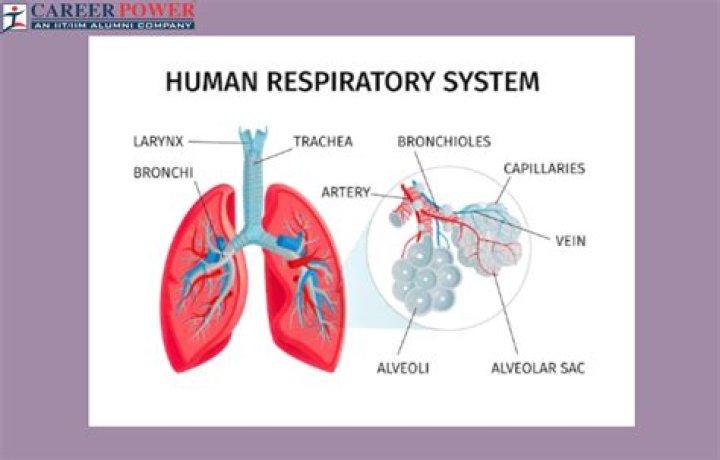
Summary. Ventilation and oxygenation are distinct but interdependent physiological processes. While ventilation can be thought of as the delivery system that presents oxygen-rich air to the alveoli, oxygenation is the process of delivering O2 from the alveoli to the tissues in order to maintain cellular activity.
What is ventilation and its purpose?
Ventilation is mainly used to control indoor air quality by diluting and displacing indoor pollutants; it can also be used to control indoor temperature, humidity, and air motion to benefit thermal comfort, satisfaction with other aspects of indoor environment, or other objectives.
What does HVAC stand for?
Defined: HVAC stands for Heating, Ventilation, and Air Conditioning. HVAC refers to the different systems used for moving air between indoor and outdoor areas, along with heating and cooling both residential and commercial buildings.
What are the two types of mechanical ventilation?
Face or nasal masks are used for non-invasive ventilation in appropriately selected people who are conscious. The two main types of mechanical ventilation include positive pressure ventilation where air is pushed into the lungs through the airways, and negative pressure ventilation where air is pulled into the lungs.
What does C mean on ventilator?
ASSIST CONTROL (AC) OR CONTINUOUS MANDATORY VENTILATION (CMV) Assist Control (or “AC”) is a term used to describe the number of breaths a patient is receiving from the breathing machine (ventilator). AC refers to a specific method for giving the patient mechanical breaths.
What is FiO2 and PEEP?
Initial Adult Ventilator Settings. You have to start somewhere ✓ Fraction of inspired oxygen (FiO2)—100% ✓ Positive End Expiratory Pressure (PEEP)–5 cmH20 ✓ Respiratory Rate—12 breaths per minute ✓ Tidal Volume 6-8 ml per weight in kilograms (ideal body weight). Most adults will require at least 500 ml.
What is C ventilator?
Mechanical ventilation is a lifesaving procedure that is often performed when patients require respiratory support. Assist-control (AC) mode is one of the most common methods of mechanical ventilation in the intensive care unit. AC ventilation is a volume-cycled mode of ventilation.